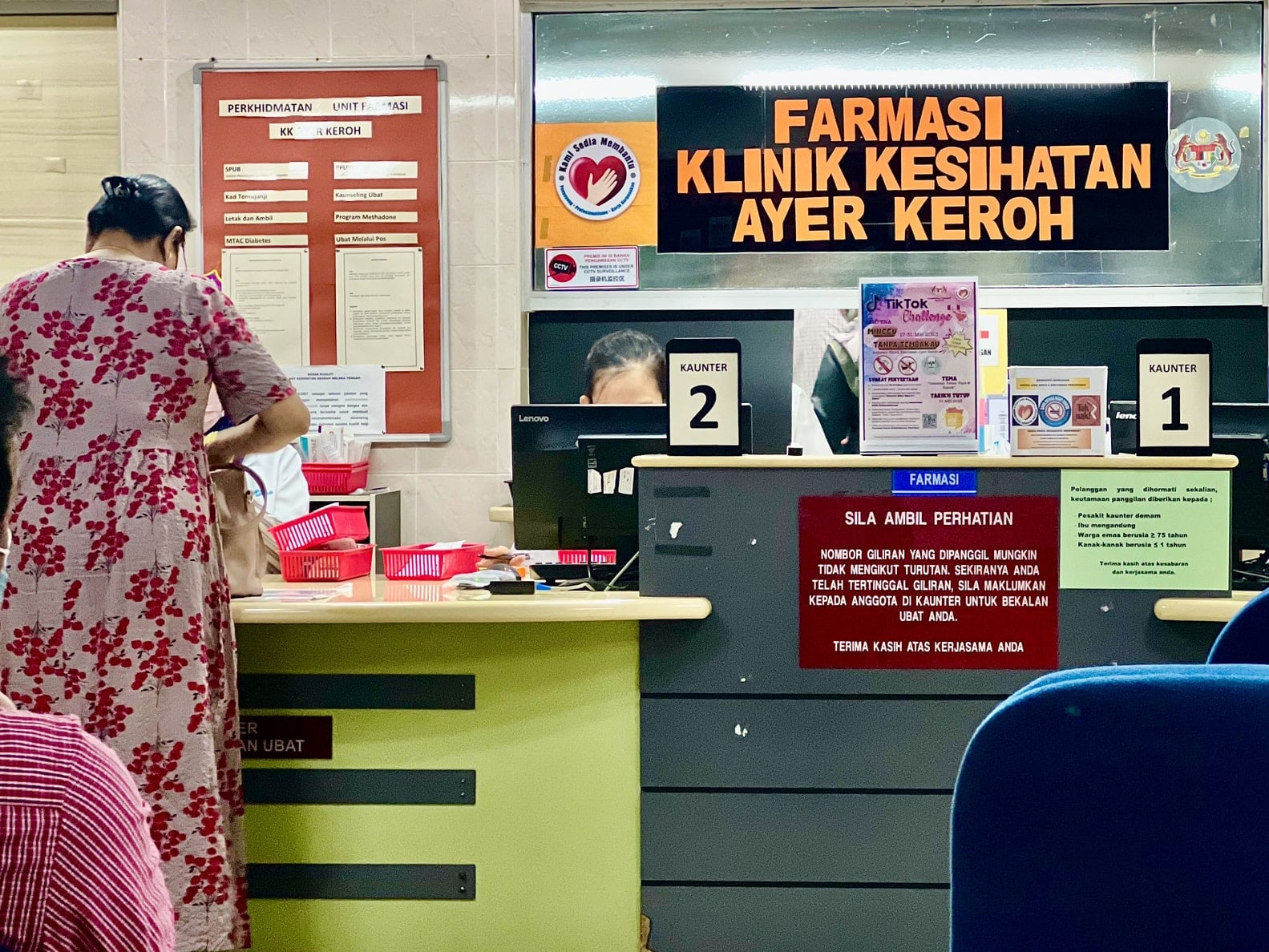
KUALA LUMPUR, April 2 — The Ministry of Health (MOH) is tightening drug distribution in public hospitals as global cost pressures mount, even as officials say there is no immediate disruption to drug supplies.
The move follows a warning by drug supplier Jardine Marketing and Distribution Sdn Bhd of supply and possible price hikes, with hospitals advised to place orders in advance as stocks will be subject to a first-come, first-served basis.
The warning comes as global supply chains face renewed pressure from oil and gas shocks linked to the Iran conflict, which is now entering its second month without a clear resolution.
In a statement CodeBlue On Tuesday, the MOH’s Pharmaceutical Services Program (PSP) said it was “strengthening ongoing supply management practices to ensure consistent and equitable access to medicines.”
These include “optimizing dispensing practices based on clinical needs” and “reviewing existing patient drug supplies to avoid duplication.”
PSP said it has not received official notifications from suppliers about price hikes or supply disruptions.
“At this stage, the MOH, through the Pharmaceutical Services Program, has not received any formal notification from suppliers regarding price increases or supply disruptions,” it said, adding that “the current supply of contracted drugs is stable with adequate stock coverage.”
Across Asia, tight energy supplies and high fuel costs are already disrupting logistics and driving up transport costs, developments that are expected to feed into pharmaceutical supply chains if they continue.
The ministry’s engagement with industry stakeholders points to rising cost pressures.
“Based on recent engagements with industry stakeholders, the current supply of contracted drugs remains stable with adequate stock coverage. However, industry has indicated that ongoing global cost pressures may pose challenges if prolonged,” PSP said.
The risks are most apparent for pharmaceuticals that depend heavily on imported goods, including active pharmaceutical ingredients (APIs), petrochemical-based materials, and international logistics.
“MOH is aware of the potential risks affecting selected products, particularly those that are highly dependent on imported APIs, raw materials and petrochemical-based packaging components, as well as international logistics,” PSP said.
Malaysia has so far not experienced major disruptions in the supply of these drugs. The health ministry said the country has up to five months of stockpiles, including buffer supplies, with the immediate impact of the war remaining limited. Private hospitals also reported stable supplies.
However, rising fuel costs, logistical constraints and reliance on global manufacturing hubs – particularly India, which supplies 30 percent of Malaysia’s imported drugs – are expected to push prices higher and geopolitical tensions to continue.
Pharmaceutical manufacturers in India have already reported a sharp increase in the prices of petrochemical-based APIs, with some seeing steep price hikes – including metformin APIs (nearly 90 percent) and paracetamol (nearly 50 percent) – with rising costs of key inputs including key ingredients and compounding media.
However, MOH officials insist there is no immediate disruption to supplies.
“Based on current assessments, immediate disruption to drug supply is not anticipated,” PSP said, adding, “The situation is being closely monitored to ensure timely and appropriate mitigation measures, where necessary.”
CodeBlue Jardine warned in a letter to Terajo Pharma Sdn Bhd that higher crude oil prices linked to the West Asian conflict are expected to increase raw material, packaging, logistics and insurance costs, reported Tuesday.
The company said that raw material costs could rise by up to 50 percent under current conditions, if the situation continues, possibly with further increases, and that it would call for power cuts in the event of disruption.
Taken together, the MOH’s measures signal stricter control over drug use at the facility level, even without official rationing. “This includes maintaining adequate stock levels in healthcare facilities,” it said.
The MOH also said it may review spending if cost pressures increase. Public sector spending on medicine has risen steadily in recent years, reaching about RM3 billion in 2023 and accounting for approximately 11 to 13 percent of the MOH’s budget.
“The Ministry of Public Health is ready to review and revise drug budgets and procurement strategies if significant costs are incurred,” he said, adding that it is “committed to ensuring people have uninterrupted access to safe, effective and quality medicines.”
Hospitals are also being told to tighten inventory control, including maintaining stock levels of up to three months and improving procurement planning.
“MOH is strengthening inventory management practices across health care facilities,” it said, “maintaining adequate stock levels (up to three months) in accordance with existing guidelines, optimizing procurement planning and ordering procedures, and enhancing preparedness to manage potential supply uncertainties.”
The MOH says supplies remain stable, but distribution and tight inventory controls suggest the system is already adjusting to rising costs, raising questions about how long current buffers can last.
#MOH #moving #distribute #drug #supply #risks #reduced