Singapore – Mental health support in primary care has expanded here, with the number of general practitioners (GPs) able to access a network of low-cost psychiatric medications and support to manage complex mental health conditions exceeding 630 by the end of 2025.
This is up from 520 last year, according to Ministry of Health (MOH) data.
These doctors are part of the Mental Health General Practitioner Partnership (MHGPP) programme, which was launched in 2012 to enable GPs to identify, diagnose and manage patients with more complex mental health conditions.
Meanwhile, 23 of the 28 polyclinics now offer mental health services. A spokesman said the Ministry of Public Health expects all polyclinics to offer such services within the next three years. It plans to expand its network of polyclinics to 32 by 2030.
This development is part of the National Mental Health and Wellbeing Strategy to improve access to care in the community.
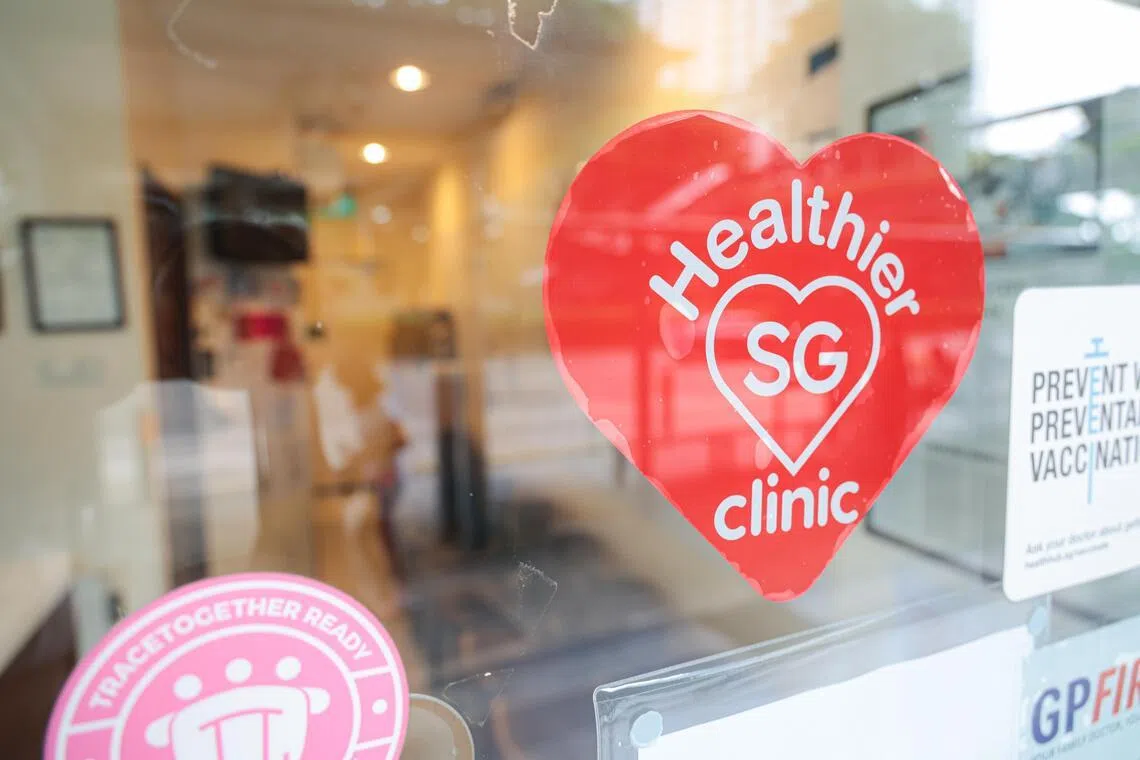
Most of the participating GPs are from clinics under Singapore’s preventive health initiative Healthier SG, which supports its primary care doctors with evidence-based guidelines for patient care and information about community resources.
Since January 1, 2026, MOH has implemented care protocols Major depression and generalized anxiety disorder.
The protocols guide GPs in identifying and managing patients, including referrals to GP couple partners, such as Community Intervention Teams (COMIT), for treatment that does not involve medication, such as counseling and psychotherapy.
For more urgent and severe mental health needs, MHGPP physicians also have access to psychiatrist-led assessment and collaborative care teams. (ASCAT)Which can determine if a fast track service is needed in the hospital.
Previously, Dr Jonathan Yeo from Family Medicine Clinic Chinatown said most GPs and family doctors would assess a patient’s condition before prescribing appropriate medication, and would only refer the patient to a psychiatrist if his condition was complicated or if he was at risk of self-harm.
The introduction of new protocols has empowered primary care providers with a roadmap for holistic care.
In addition to prescribing general lifestyle measures and medication if necessary to their patients, these doctors can now refer their patients for supportive counselling, psychoeducation and psychotherapy from allied health professionals, Dr. Yeo said.
Community mental health teams here are fully funded by the government, and there is no out-of-pocket cost to patients.
These allied health professionals can manage the patient together with the doctor by assessing whether social intervention is needed to solve the underlying problems, using psychotherapy to treat dysfunctional ways of thinking and behavior patterns, or counseling for coping with life changes, for example.
If not for the new care protocols, Dr. Yeo’s recent patients, who have struggled with depressive symptoms for some time, would have been assessed as mildly depressed based on the patient’s score on the Patient Health Questionnaire-9. This screening tool asks patients how often they have experienced major depressive symptoms in the past two weeks.
However, Dr. Yeo said, care protocols led to a revised diagnosis of moderately severe major depressive disorder.
In addition, the use of the Columbia-Suicide Severity Scale as part of the protocol helped him to determine that the risk of suicide was low.
“The patient chose to continue my follow-up, and as I also have postgraduate studies in mental health … I was comfortable continuing to care for this patient despite the moderate severity of the condition,” he said.
For family medicine specialist Kenneth Tan from Kenneth Tan Medical Clinic, having a guide helps him discuss their options with patients, as many research their condition and treatment options before seeing a doctor.
“With the new protocols, I can provide them with some psychological counseling, connect them to mental health services in the community, or refer them to my co-founded COMIT team, Elkin Singapore,” said Dr Tan.
“The COMIT team keeps me updated on whether the referral is successful, and I can follow up with the patient and see if psychosocial interventions are helping or if we need to start medication.
“Many patients actually improve their symptom assessment scores through this approach.”
Dr. Tan said his patients are often surprised to learn that he is able to create a mental health plan for them that can refer them to school or corporate counselors, private mental health services, free COMIT services, or a tertiary hospital.
CHAS Subsidy and MediSave can be used by Pioneer Generation, Meredica Generation and CHAS card holders seeking care at MHGPP GP clinics, under the Chronic Illness Management Program for mental health conditions.
People can find community mental health and dementia services nearby Finder of mental health.
If the clinic is part of Healthier SG, these cardholders can also receive additional subsidies for selected chronic medications.
The MOH said it is currently reviewing the need to develop care protocols for other mental health conditions.
#GPs #Singapore #part #scheme #empowers #provide #mental #health #treatment