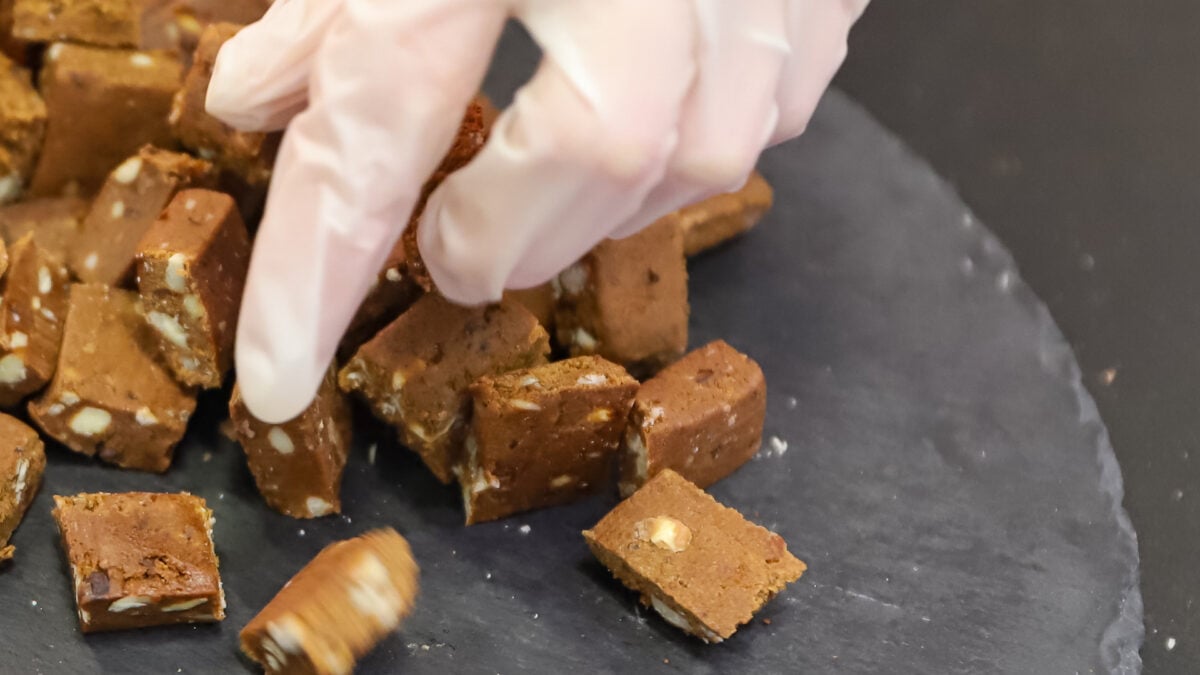
The health food industry has rushed over the past decade to include so-called sugar alcohols in everything from protein bars to zero-sugar energy drinks to guilt-free desserts—and with some justification. Unlike previous generations of artificial sweeteners, sugar alcohols are naturally occurring, low-calorie alternatives that the human body can metabolize without incurring various potentially deadly and hotly debated health risks.
But researchers at the University of Colorado at Boulder have found compelling evidence that too much of at least one sugar alcohol, erythritol, can cause its own dangers: the kind of blood clots in your brain that can lead to stroke. Importantly, their study documented mechanisms at the cellular level induced by erythritol that seem to confirm an alarming epidemiological study from 2023, which linked high levels of erythritol in the blood to a higher risk of heart attack or stroke within three years.
As a sweetener, erythritol is very common, appearing in protein bars, sugar-free drinks, keto snacks, and some “natural” sweeteners, including as an additive you might not expect in organic sweeteners, stevia, and monk fruit.
“Given the epidemiological study that inspired our work, and now our cellular findings, we believe it would be wise for people to monitor their consumption of non-nutritive sweeteners like this,” said study co-author Christopher D’Souza, director of the Integrative Vascular Biology Laboratory at CU Boulder.
“The big picture, if yours [blood] “The arteries are more narrowed and your blood’s ability to clot is reduced,” added author Auburn Berry, a graduate researcher in D’Souza’s lab, “and your risk of stroke increases.”
Constricted blood vessels
Barry and D’Souza cultured human cerebral microvascular endothelial cells (hCMECs)—cells that make up a key part of the blood vessels in the brain—for their study. They then exposed these HCMEC cell cultures to a specific amount of erythritol in a single serving of a zero-sugar beverage, 30 grams, for an average of three hours.
They and their CU Boulder colleagues saw several changes that concerned them. First, added erythritol results in cells producing less nitric oxide, a signaling molecule that helps blood vessels relax and dilate, as well as endothelin-1, an amino acid that makes the blood vessels in the body work harder, often with inflammatory effects. Then, highly active free radical oxygen compounds were recorded in approximately 75% higher concentrations in cell cultures containing added sugar alcohol than in control group HCMEC cultures.
These subtle changes in biochemistry created the risk that researchers discovered along with two other compounds that play a key role in the formation and regulation of blood vessel clots. When these cell cultures were exposed to the enzyme thrombin, a coagulant that helps form blood clots, the added erythritol stopped the cells from producing tissue-type plasminogen activator (t-PA), a compound that naturally breaks down clots. Cell cultures produced approximately 25% more T-PA than when erythritol was present.
D’Souza noted that although deeper clinical research is needed, his lab’s findings can be considered conservative given that only a single dose of erythritol was tested in their study, published in the Journal of Applied Physiology. People who regularly consume zero-sugar energy drinks or pound multiple low-calorie protein bars a day, in other words, may experience a more severe version of these effects.
Erythritol is made by your body as opposed to erythritol in food
While the CU Boulder study raises the risk, other medical researchers have argued that it is too early to make broad assumptions about erythritol.
Researchers from the University of Medicine and Pharmacy at the University of Craiova in Romania published a letter in the same journal in which they emphasized that the human body not only produces erythritol, but also in response to various types of caloric stress such as obesity, insulin resistance and diabetes. As the name “sugar alcohol” may indicate, erythritol is produced in a fermentation-like process in several organs of the body, including red blood cells (erythrocytes), liver, and kidneys.
In other words, although the large study of 4,000 people that inspired CU Boulder’s work found a strong link between blood erythritol levels and stroke risk, there was still no telling how much erythritol was caused by other conditions or personal habits of these patients.
“Without addressing this dual origin,” noted Jorge Don Mogosano, an associate professor at Creva, and his colleagues, “the causality between dietary erythritol and vascular risk remains speculative.”
#popular #sweetener #protein #bars #linked #stroke #risk #blood #clots