
During family gatherings, it is common to ask about the health of elderly relatives. However, most of the time, their response voices resignation: “Old man, what to do?”
Such statements reflect the belief that physical decline is inevitable. But according to Katarzyna Pieczyk, senior lecturer in chiropractic at IMU University, this approach can do more harm than good.
“Studies show that muscle mass typically peaks between the ages of 25 and 35, after which it begins to decline. By the time we’re 80, we may have lost about 80% of our muscle mass.
“It’s normal, but it’s not a lost cause. We’re able to slow our progression by staying active and protecting against muscle loss,” she said.
As seniors reach retirement age, many experience a significant decline in daily activity levels. Pieczyk believes it’s important to cope with this change by finding new ways to stay engaged – whether through hobbies, exercise or activities with friends.
She notes that in many Asian families, grandmothers live with their older children if they are constantly attending, often becoming very redundant. Over time, this can reduce involvement in daily activities.
“Muscle loss isn’t just due to age, it’s also a result of decreased physical activity. The less active we are, the more muscle we lose.”
She said regular activity helps maintain muscle strength, which in turn improves mobility, stabilizes joints and supports good posture and balance. Among older adults, it reduces the risk of falls and injuries while supporting overall well-being.
The benefits of maintaining muscle activity extend beyond physical strength: being active can make daily tasks easier, increase energy levels, release stress, and reduce the likelihood of anxiety and depression.
There are ways to stay active for a better quality of life.
Start slow
There is no one ideal level of activity that applies to everyone, as health and fitness levels vary widely among adults.
Those who exercise regularly during adolescence may begin with mild to moderate intensity activities. People who live very sedentary lives are advised to start with simple steps, such as moving around the house more, climbing stairs, or taking short walks.
Caregivers can also encourage older adults to independently perform manageable tasks to prevent displacement.
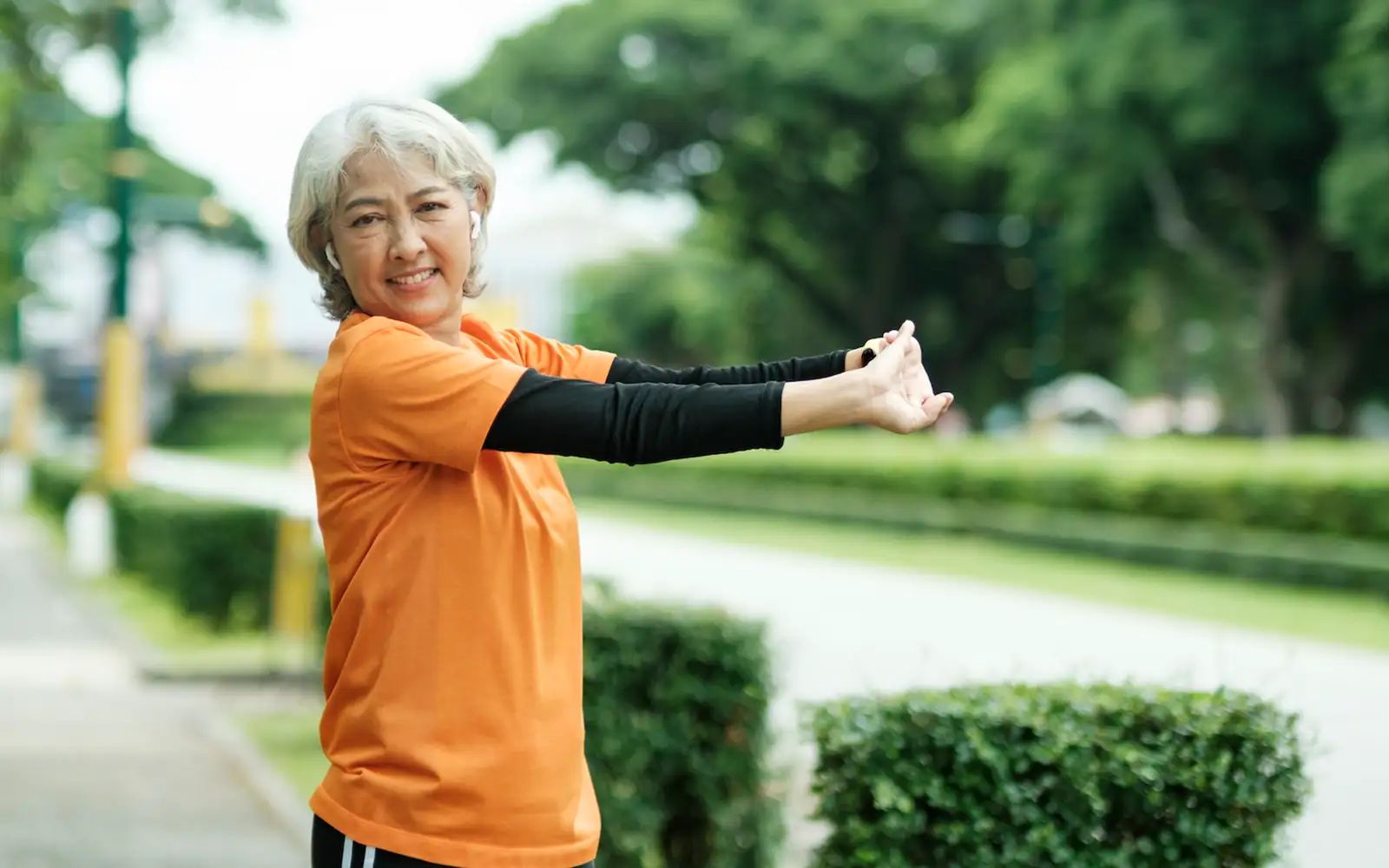
Overall, 150 minutes of moderate-intensity activity per week is recommended. For those who find it overwhelming, Paczek advises gradually increasing the activity level over time.
She also stressed that those with pre-existing medical conditions such as diabetes, heart disease or high blood pressure should undergo a medical examination before starting a new or more vigorous exercise program.
Calculate your performance
While simple daily movements are a good starting point, Paczek recommends gradually increasing the intensity or duration of activity and incorporating resistance training for maximum benefit.
As a general rule, the intensity can be increased once the routine no longer feels challenging. If a new activity causes pain or stress, individuals are advised to scale back and resume only when they are ready.
Studies show that even frail older adults benefit from exercises that improve muscle strength, endurance, flexibility, and functional movements such as grip strength, walking speed, joint mobility, and the ability to rise from a chair.
For best results, Paczek consults with health professionals — physiotherapists, trainers or chiropractors, for example — who can recommend appropriate programs, monitor progress, and advise on safe progression.
Older adults can also join neighborhood exercise groups, while those who don’t want to leave home too often can follow a structured routine online.
“At the end of the day, everyone is different in terms of health, fitness level and motivation,” Peczek concludes. “Don’t worry if you can’t exercise every day or feel too tired some days – do what you can, when you can.
“Over time it becomes easier and more natural – then you can do it some more and repeat it.”
#importance #staying #active #older